At a Glance
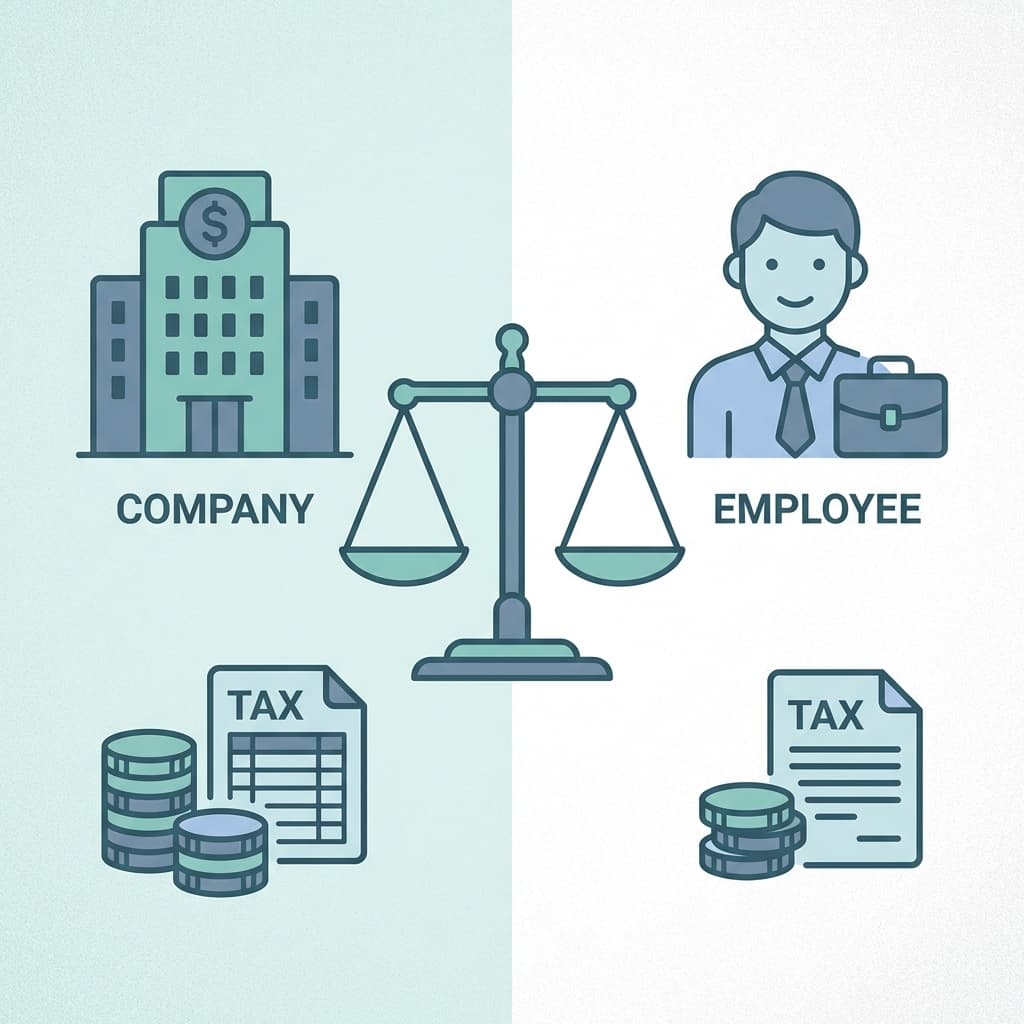
Determining whether someone is an employee or a contractor is a key decision for businesses and workers alike as it carries significant legal, tax, and financial implications. Employees typically have a higher degree of financial and professional dependence on the organization they work for. They earn the majority, if not all, of their income from one employer, who also has the right to control how and when they perform their work. This includes setting hours, providing training, and supplying the necessary tools and equipment for the job.
In contrast, contractors maintain a greater level of independence from their clients. Unlike employees, contractors often provide their own tools, dictate their own hours, and have the ability to work for multiple clients or companies simultaneously. They are not bound by the same level of control in terms of how and when the work is completed, allowing for flexibility in their professional activities.
The distinction between the two is not just theoretical but has practical consequences concerning employment insurance, CPP contributions, tax responsibilities, and entitlements to various workplace benefits. Understanding the differences helps in complying with legal standards and can affect how workers are treated under employment law, taxation, and benefit schemes.
Definitions
Ready to Simplify Your Finances?
Stop stressing about your numbers. Let our team handle your accounting so you can focus on leading your business.
In classification for labor and tax purposes, it is crucial to understand the distinction between an employee and a contractor. The two roles have specific definitions that affect their working relationships, benefits, and obligations.
Employee
An Employee is an individual who works under an employment contract for an employer. They typically have set working hours, are provided with the necessary tools and resources by the employer, and have their work overseen by the employer or managerial staff. Employees are entitled to employee benefits such as paid leave, insurance, and contributions to pension plans. They also have taxes withheld from their pay by the employer.
Contractor
A Contractor, or independent contractor, is a self-employed individual or business entity contracted to perform work for, or provide services to, another entity as a non-employee. They have the freedom to determine how and when the work is done, providing their tools and resources. Contractors are not entitled to benefits from the entity they contract with and are responsible for their own taxes and insurance.
Legal Framework

The legal framework concerning the classification of workers is underpinned by distinct pillars of law, primarily employment law and contract law, each providing criteria and tests for determining the nature of a working relationship.
Employment Law
In employment law, the determination of an individual's status as either an employee or contractor is critical as it dictates the rights and obligations of the party concerned. Statutory provisions and common law tests, such as the Control Test, the Fourfold Test, and the Integration Test, are applied to assess the degree of control an employer has over the worker, the level of integration of the worker within the organization, and several other factors indicative of an employment relationship.
Contract Law
Under contract law, the distinctions between an employee and an independent contractor hinge on the terms of the contract and the nature of the agreement. Foundational elements such as offer, acceptance, intention to create legal relations, and consideration are assessed to ensure a valid contract exists.
The precise language of the contract as well as the actual practice of the working relationship are scrutinized to determine whether the individual is an employee or a contractor, despite what the contract may label them.
Factors That CRA Uses to Determine if Someone is an Employee of Contractor
Determining the correct classification of workers as employees or independent contractors is essential for compliance with labor laws and tax regulations. For tax purposes, CRA looks at the following different factors when determining whether an employee or contractor relationship exists.
Control over Work
Employees typically operate under the close supervision and control of the employer. The employer dictates working hours, job duties, and how tasks are accomplished. In contrast, independent contractors have more autonomy, deciding on the means and methods for completing their assigned work. The degree of control is a significant factor in classification.
Tools and Equipment
CRA will look at whether the worker is providing his own tools and equipment to complete the work. A significant investment by the worker implies less control by the payer.
Subcontracting Rights
Subcontracting rights also indicate less control, with self-employed individuals able to hire others without the payer's involvement. Cases where this is restricted would lean more towards an employment relationship.
Financial Risk
Financial risk considerations involve fixed costs and unreimbursed expenses. Employees usually don't bear these, whereas self-employed individuals do. Investment and management responsibility also differentiate these roles. Employees don't usually invest in the business or manage staff, while self-employed individuals might.
Opportunity for Profit
Employees don't typically share in business profits or losses, while self-employed individuals have the potential for both, controlling their expenses and income.
Rights and Protections

In the workplace, distinct differences exist in the rights and protections afforded to employees compared to contractors. Employees generally benefit from a comprehensive framework of rights, while contractors enjoy a greater degree of autonomy, often trading off the protections employees receive for the flexibility and potential profitability of independent work.
Employee Benefits
Employees are typically entitled to a variety of benefits and protections under employment laws. These often include:
In Ontario, for example, the Employment Standards Act (ESA) ensures these rights are upheld, providing a clear framework for employee entitlements.
Contractor Autonomy
Contractors, while not receiving the same benefits as employees, maintain a level of autonomy that grants them several unique advantages:
However, it's notable that certain kinds of contractors, named "dependent contractors," may have access to some benefits similar to those of employees, such as severance pay under particular conditions.
Tax Implications
When differentiating between employees and independent contractors, the tax obligations for each party vary significantly. It is crucial to understand these distinctions to avoid penalties and ensure compliance with tax laws.
Withholding Taxes
Employees: Employers are responsible for deducting income taxes, along with contributions to social security mechanisms like Canada Pension Plan (CPP) and Employment Insurance (EI), directly from an employee's salary. These withholdings are remitted to the Canada Revenue Agency (CRA) on the employee’s behalf. Income Tax:* Deducted from the employee’s gross salary. CPP Contributions:* Both the employee and employer contribute. EI Premiums:* Deducted from the employee, with employers contributing a higher rate.
Contractors: Independent contractors are not subject to withholding by the paying entity. They are liable for managing their own tax payments. No Withholding:* Contractors must set aside and remit their own taxes. CPP Contributions:* They must pay both the employee and employer portions if they are operating as a sole-proprietor. If incorporated, they would also have to pay those payroll taxes if they elect to pay themselves a salary. No EI Contributions:* Unless they opt in for special benefits.
Self-Employment Taxes
Contractors incur self-employment taxes and must make periodic payments to the CRA throughout the year. They file their taxes using different forms and schedules than employees. Quarterly Installments:* Expected to pay estimated taxes every quarter if they meet the $3,000 in tax owing criteria. Annual Reporting:* Reports all income, expenses, and calculates Net Profit on which taxes are owed. This will be done either through a T2125 or a T2 return whether they operate as a sole-proprietorship or a corporation.
Employees are generally not responsible for self-employment taxes, as they do not operate a business entity themselves. Receives a T4 slip:* They will receive a T4 employment income slip which they will include on their annual tax return. No Self-Employment Tax:* Responsibilities lie with the employer to deduct the correct tax amounts.
Business Considerations

Choosing between hiring an employee or a contractor requires careful analysis of long-term costs and operational flexibility which are crucial for sustainable business growth.
Long-Term Costs
Employees often represent a higher long-term financial commitment for a business. In addition to their regular wages or salaries, businesses must generally cover:
Conversely, contractors typically command higher hourly rates or project fees, but businesses can save on:
Operational Flexibility
Contractors offer businesses a high degree of flexibility, as they can be engaged on a per-project basis or during peak demand periods without long-term commitment. This allows businesses to scale their workforce up or down with ease.
On the other hand, employees provide stability and can be integral to building company culture and knowledge base. However, scaling with employees can be less dynamic, often requiring long-term planning for hiring and resource allocation.
Compliance Requirements

Correct classification of workers as either employees or contractors is critical for adhering to legal and tax obligations.
Documentation
Employers must maintain accurate records for each worker, clearly distinguishing the nature of the relationship. For employees, this includes:
For contractors, documentation should contain:
Penalties for Misclassification from the Payer's Side
Governments impose strict penalties on organizations that misclassify employees as contractors. Consequences include:
Employers must exercise due diligence when classifying workers to avoid these repercussions.
Penalties for Misclassification from the Payee's Side
An individual who incorporated a business and was expecting to be treated as a contractor but is in fact found to be an employee, could be found to be operating a personal services business (PSB) by CRA. This could have dire consequences and could result in double taxation as a PSB is not eligible for the small business deduction or the general tax rate reduction. Moreover, a PSB can only deduct limited business expenses such as salary and wages paid to incorporated employees.
Frequently Asked Questions

The distinction between employees and contractors in Canada involves various legal, financial, and operational considerations, particularly in the domains of taxation, salary entitlements, and employment rights. These FAQs provide precise answers to common inquiries about these distinctions.
What are the tax implications for employees versus contractors?
Employees in Canada have taxes deducted at source by their employers, including contributions to the Canada Pension Plan (CPP) and Employment Insurance (EI). Contractors, on the other hand, are responsible for calculating and remitting their own taxes, as they are considered self-employed.
How does employment type affect salary calculation in Canada?
Salary for employees is typically determined by an hourly wage or a fixed annual salary agreed upon by the employer and employee. Contractors usually negotiate a rate for their services, which may be on a per-project or hourly basis, and invoice for their work as self-employed individuals.
What distinguishes an employee from an independent contractor in Ontario?
In Ontario, an employee operates under the direct control and supervision of the employer, with the employer providing tools and dictating work hours. An independent contractor maintains autonomy over how work is completed and often provides their own tools.
What are the legal consequences if a contractor is not paid for work in Canada?
If a contractor is not paid in Canada, they may be entitled to file a claim for breach of contract. Unlike employees, who have access to employment standards legislation for unpaid wages, contractors must often settle disputes through the civil court system or alternative dispute resolution methods.
What are the advantages and disadvantages of being a contractor compared to an employee in Canada?
Contractors enjoy greater flexibility and potentially higher earning power, but they lack the security of employment benefits such as paid leave, health insurance, and workplace protections. Employees benefit from stable income and statutory rights but have less control over their work engagements.
How is employee status differentiated from independent contractor in Alberta?
In Alberta, an employee status is characterized by the employer's control over the worker's tasks, hours of work, and by providing benefits and withholding taxes. Independent contractors are typically engaged for specific projects, retain control over their work methods, and handle their own tax obligations.

Sebastien ProstCPA, Ex-CRA
Licensed CPA with 10+ years of experience, including work with the Canada Revenue Agency. Founder of LedgerLogic, a cloud accounting firm serving Canadian SMEs. Xero Certified Advisor.